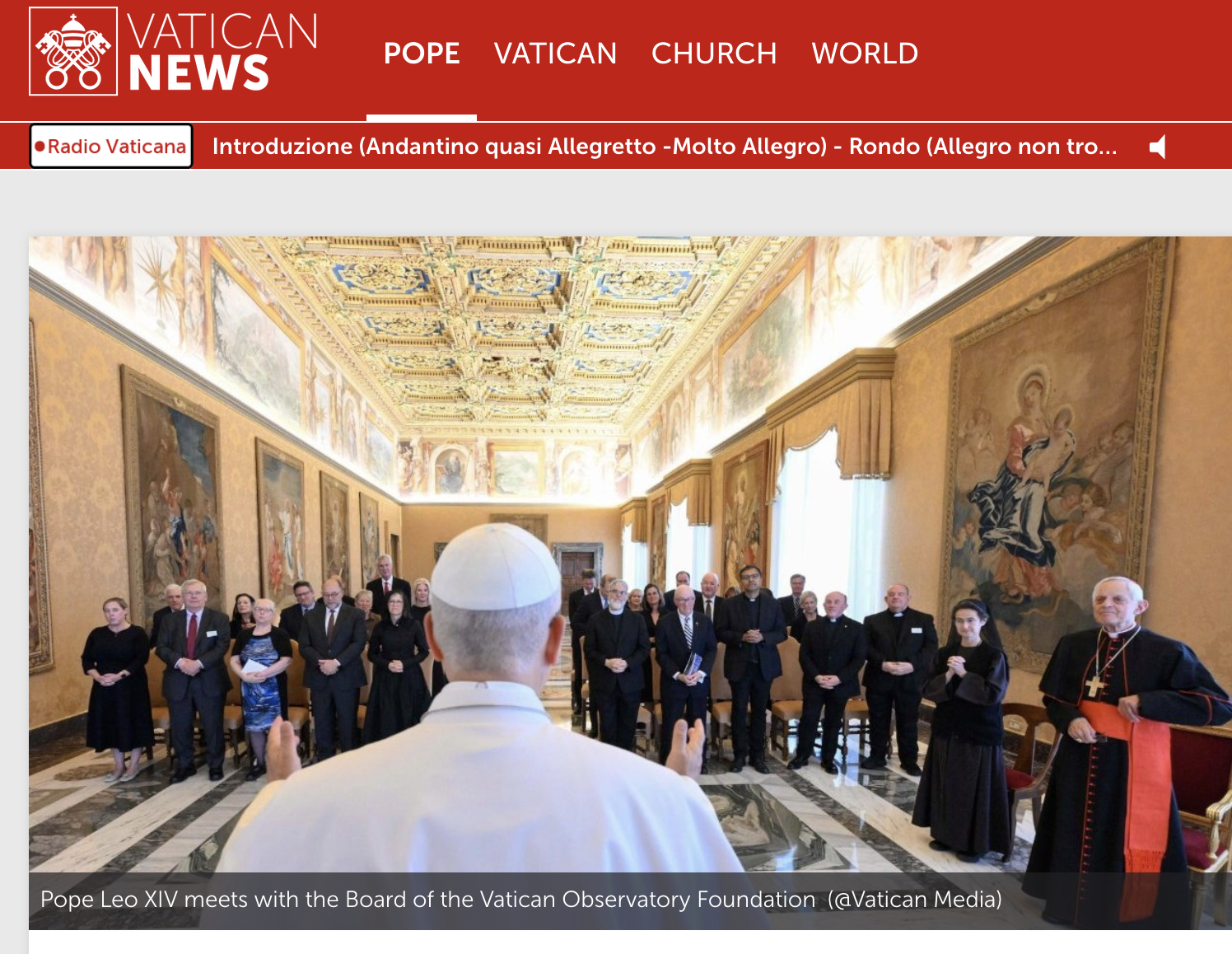
Lunedì 11 maggio i membri della Vatican Observatory Foundation hanno partecipato all'Udienza con Papa Leone XIV, vivendo un momento di incontro e condivisione profondamente alla missione della Specola Vaticana.
Nel suo discorso, il Santo Padre ha espresso gratitudine per il sostegno che la Fondazione offre da anni alle attività scientifiche ed educative della Specola Vaticana, ricordando come già Leone XIII, rifondando l'Osservatorio nel 1891, volesse mostrare che la Chiesa "accoglie, incoraggia e promuove" la vera ricerca scientifica.
Papa Leone XIV ha sottolineato il valore del dialogo tra scienza e fede, chiamate oggi a collaborare nella ricerca della verità e nella custodia del Creato. In questo contesto, la ricerca astronomica continua a rappresentare non solo uno studio dell’universo, ma anche un’occasione di meraviglia, riflessione e incontro tra culture e popoli diversi
Riferendosi in particolare all’astronomia, il Pontefice ha ricordato come la contemplazione del cielo sappia ancora suscitare meraviglia e senso di unità: il cielo notturno, ha detto, resta “una delle ultime fonti di gioia davvero universali”, accessibile a tutti, ricchi e poveri.
L’incontro di oggi ha rappresentato per la Vatican Observatory Foundation un’importante occasione per rinnovare il proprio impegno a sostegno della missione della Specola Vaticana: promuovere la ricerca astronomica, la formazione dei giovani studiosi e il dialogo tra scienza, cultura e fede.
Sabato 9 maggio la rubrica del TG2 "Mizar" ha dedicato un servizio alla Specola Vaticana, con un'intervista a Padre Gabriele Gionti e un racconto delle attività scientifiche dell'Osservatorio della Santa Sede.
Il servizio ha ripercorso la storia della Specola Vaticana, dalle sue origini fino alle attività di oggi, mostrando come l'istituzione sia impegnata nella ricerca astronomica internazionale attraverso collaborazioni con università e centri di ricerca di tutto il mondo. Sono stati presentati alcuni dei principali campi di studio della Specola, tra cui cosmologia, galassie, meteoriti, evoluzione stellare ed esopianeti, insieme ai progetti portati avanti negli osservatori di Castel Gandolfo e di Tucson, in Arizona.
Nel corso dell'intervista, Padre Gionti, VIcedirettore della Specola, ha ricordato anche il valore del dialogo tra scienza e fede. La ricerca scientifica e la fede non sono in realtà in contrasto, ma sono due modi diversi e complementari di guardare alla realtà e interrogarsi sul significato dell'universo.Lo studio del cosmo può infatti diventare anche occasione di meraviglia e riflessione sull'opera della creazione.
Di seguito il link per rivedere il servizio completo su RaiPlay:
È disponibile online l’ultimo Annual Report della Specola Vaticana.
Il documento presenta una sintesi delle principali attività svolte nel corso dell’anno, tra ricerca scientifica, formazione e divulgazione, offrendo uno sguardo aggiornato sul lavoro della Specola.
Il file pdf è disponibile qui sotto per la consultazione e il download.
La Specola Vaticana è lieta di annunciare che quattro asteroidi sono stati intitolati a importanti figure nella storia dell’Osservatorio, tra cui Papa Leone XIII, che rifondò la Specola nel 1891. I nomi sono stati recentemente annunciati nel bollettino WGSBN (V.6 n.4) dell’Unione Astronomica Internazionale. Tutti e quattro gli asteroidi sono stati scoperti dall’astronomo lituano Kazimieras Černis e dall’astronomo della Specola Vaticana P. Richard Boyle, S.J, utilizzando il Vatican Advanced Technology Telescope (VATT), situato sul Monte Graham in Arizona. Si tratta di “(858334) Gioacchinopecci”, “(836955) Lais”, (836275) Pietromaffi” e “(688696) Bertiau”.
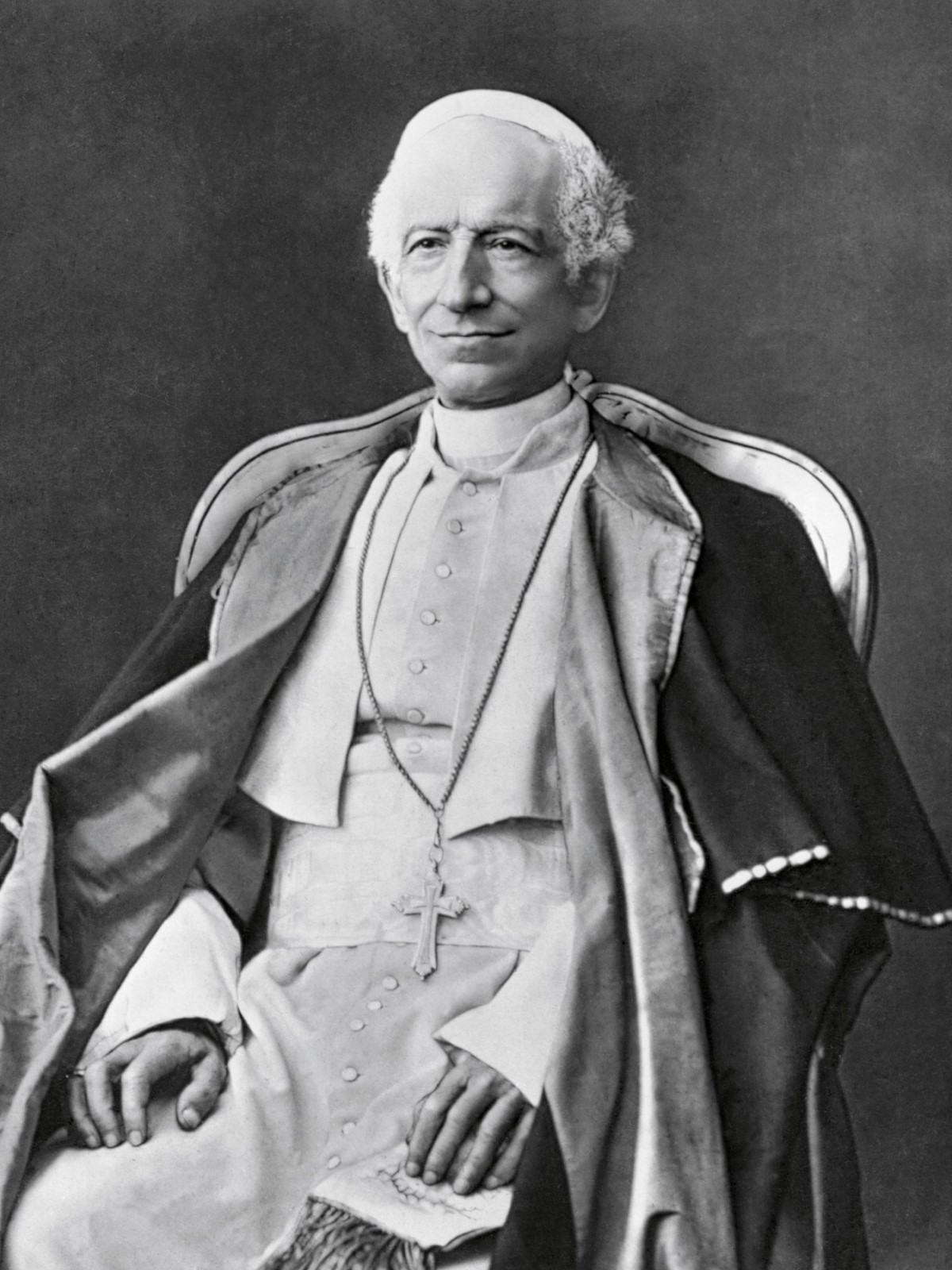
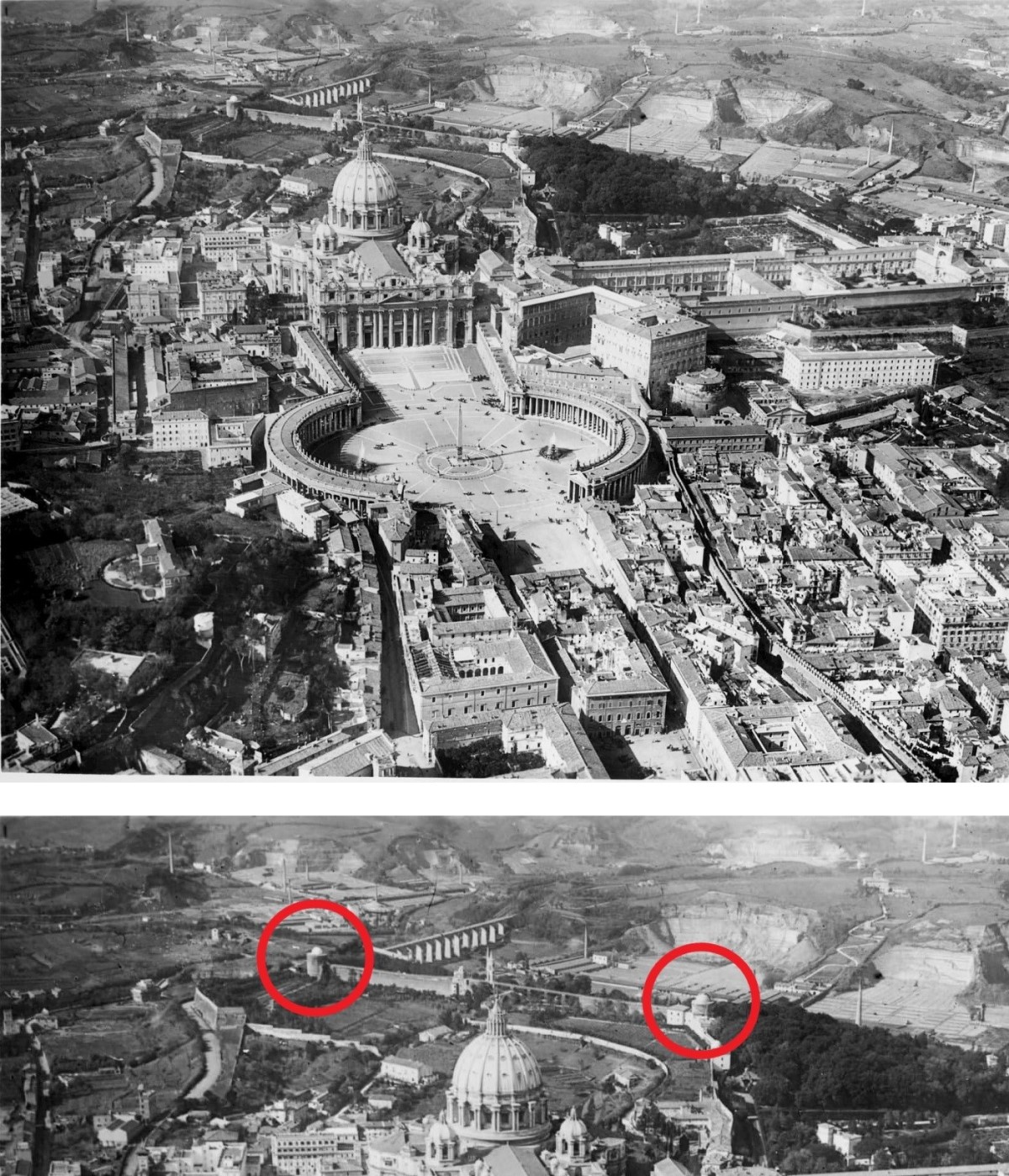
“(858334) Gioacchinopecci” rende omaggio a Papa Leone XIII (1810-1903), battezzato Gioacchino Vincenzo Raffaele Luigi Pecci. Papa Leone XIII ristabilì la Specola Vaticana dopo la perdita dei territori pontifici e delle strutture astronomiche di grande rilievo in essi presenti (in particolare l’osservatorio di P. Angelo Secchi, S.J., situato sopra la Chiesa di Sant’Ignazio a Roma). Fotografie del Vaticano nei primi anni del XX secolo mostrano le cupole dei telescopi dell’osservatorio sopra le mura vaticane e la “Torre dei Venti”. Negli anni ’30, a causa dell’illuminazione elettrica che rendeva più luminoso il cielo notturno su Roma, i telescopi furono trasferiti nel Palazzo Apostolico di Castel Gandolfo, a sud di Roma. Le loro cupole sono ancora oggi visibili da chilometri di distanza. L’ulteriore aumento dell’illuminazione del cielo romano portò alla costruzione del VATT, sul buio Monte Graham, negli anni ’90.
Papa Leone scrisse, nel Motu Proprio “Ut Mysticam” del 1891 che istituiva la Specola Vaticana, che l’Osservatorio avrebbe aiutato a mostrare al mondo che l’atteggiamento attuale e storico della Chiesa verso la “vera e solida scienza” era (contrariamente a quanto affermavano i detrattori) quello di “abbracciarla, incoraggiarla e promuoverla con la massima dedizione possibile”. In particolare, la Specola avrebbe contribuito a promuovere “una scienza nobilissima che, più di ogni altra disciplina umana, eleva lo spirito dei mortali alla contemplazione degli eventi celesti”. Le cupole visibili sopra le mura vaticane e a Castel Gandolfo hanno svolto questo ruolo in modo diretto e accessibile a tutti, mentre l’attività scientifica della Specola lo ha esercitato a beneficio della comunità degli studiosi.
Esistono anche altri asteroidi intitolati a papi. “(560974) Ugoboncompagni” onora Papa Gregorio XII per il suo lavoro nella riforma del calendario. Anche questo è stato scoperto con il VATT. Papa Benedetto XVI ha “(8661) Ratzinger”, nome assegnato dall’astronomo Lutz Schmadel nel 2000.
Il processo che porta all’assegnazione dei nomi agli asteroidi è gestito dal Working Group for Small Body Nomenclature (WGSBN) dell’Unione Astronomica Internazionale. Gli asteroidi ricevono una designazione provvisoria al momento della scoperta, basata sulla data di osservazione. Quando l’orbita di un asteroide è determinata con sufficiente precisione e la sua traiettoria futura può essere prevista in modo affidabile, gli viene assegnato un numero permanente. Attualmente, circa 850.000 dei circa 1,3 milioni di asteroidi conosciuti hanno ricevuto un numero permanente. Solo dopo aver ricevuto questo numero gli scopritori possono proporre un nome definitivo per sostituire la designazione provvisoria. Il nome proposto viene esaminato dal Working Group e deve rispettare specifiche linee guida. Una volta approvato, l’asteroide è conosciuto con il suo nome ufficiale, scritto come “(numero) Nome”.
Così, “(836955) Lais” è intitolato a Giuseppe Lais (1845-1921), sacerdote oratoriano e astronomo italiano che fu vicedirettore della Specola per trent’anni. Fu coinvolto nel progetto internazionale “Carte du Ciel” (“Mappa del Cielo”), un atlante fotografico stellare dei primi del XX secolo. “(836275) Pietromaffi” onora il Cardinale Pietro Maffi (1858-1931), Arcivescovo di Pisa, che fu Presidente della Specola dal 1904 fino alla sua morte nel 1931. Fu lui a raccomandare che la Specola fosse affidata alla Compagnia di Gesù per garantire elevati standard di ricerca. I Gesuiti gestiscono la Specola ancora oggi. “(688696) Bertiau” è intitolato a Florent Constant Bertiau (1919-1995), astronomo gesuita belga. Egli fondò il Centro di Calcolo della Specola nel 1965, fu pioniere nell’analisi computerizzata dei dati e guidò importanti ricerche sulla distribuzione delle stelle nella nostra galassia, la Via Lattea, e sull’ “inquinamento luminoso”, come quello che costrinse agli spostamenti dei telescopi della Specola.
La scoperta di questi quattro asteroidi e la loro intitolazione da parte dei membri della Specola Vaticana proseguono l’intento di Papa Leone XIII di sostenere la scienza e di mostrare al mondo e alla Chiesa che fede e scienza possono camminare insieme.
Ritratto di Papa Leone XIII, realizzato da Braun et Die, 1878.
Una fotografia del 1924 del Vaticano mostra le cupole dei telescopi della Specola Vaticana (due delle quali sono cerchiate nell’ingrandimento in basso)
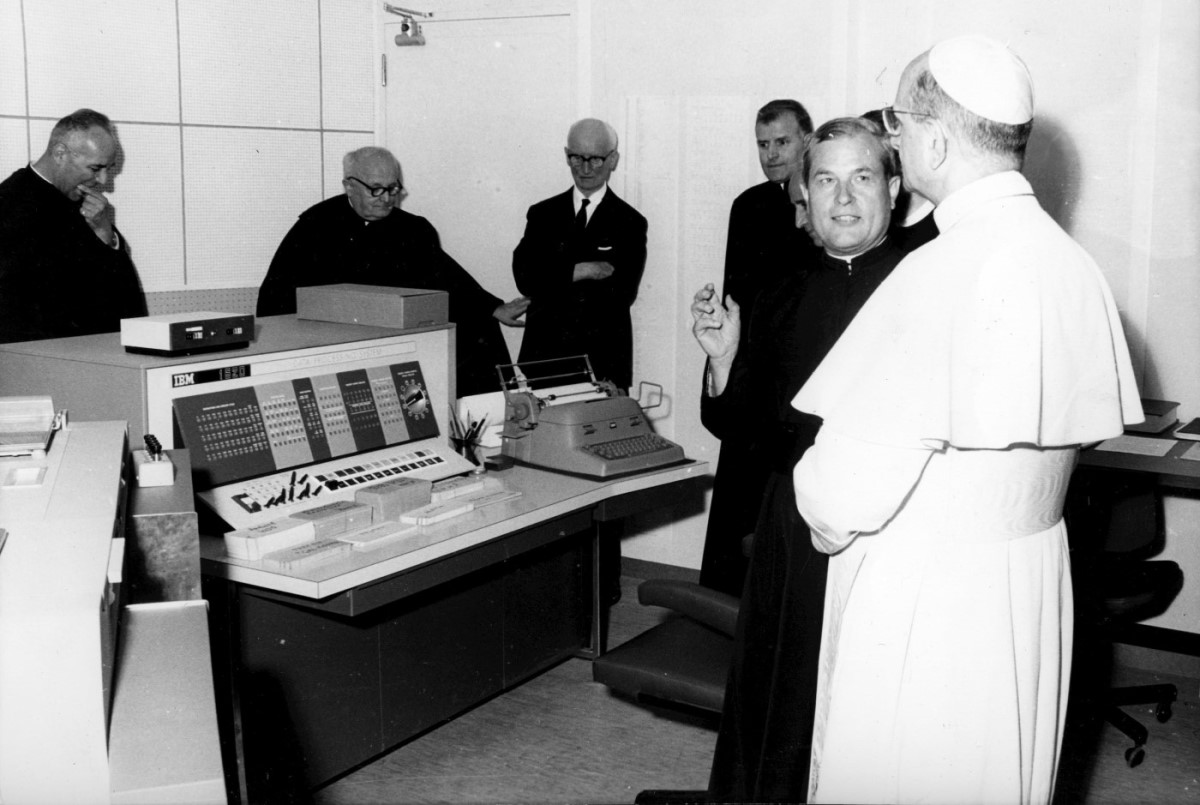
Papa Paolo VI inaugura il Centro di Calcolo della Specola Vaticana, dotato di un computer IBM 1620, nel 1965. A parlare con il Papa è Padre Bertiau.
Viaggio dentro la Specola Vaticana, l'unico ente scientifico della Santa Sede. Da sempre vocato all'osservazione del cielo.
Tra Stelle e Tempeste: La Scienza d'Eccellenza della Specola Vaticana
Dalle profondità del Big Bang ai campioni di asteroidi della NASA, i 14 religiosi scienziati della Specola Vaticana uniscono fede e ricerca tecnologica tra le sedi di Castel Gandolfo e l'Arizona (telescopio VATT).
☄️ Missione Bennu: Misurare gli Asteroidi senza Contaminarli
Il laboratorio meteoriti della Specola custodisce una delle collezioni più importanti al mondo con oltre 1.200 frammenti. Fratel Robert J. Macke, responsabile del laboratorio, ha progettato per la NASA un dispositivo rivoluzionario: un picnometro a gas azoto. Questo strumento permette di misurare densità e porosità dei campioni (come quelli prelevati dall'asteroide Bennu dalla missione OSIRIS-REx) senza contaminarli, garantendo l'integrità scientifica del reperto.
🌌 Ai Confini dell’Universo: Materia Oscura e Big Bang
La ricerca si spinge fino ai primi istanti del cosmo. Come spiega il vice direttore Padre Gabriele Gionti, i team si dividono tra:
Fotometria e Spettroscopia: studio delle stelle vicine e analisi della luce.
Cosmologia e Gravità Quantistica: per capire il funzionamento della gravità a scale sub-atomiche.
L’enigma del 95%: Il cosmologo Don Matteo Galaverni indaga la materia e l'energia oscura analizzando la radiazione cosmica di fondo (la "prima luce" dopo il Big Bang). In collaborazione con l'INAF, studia come la polarizzazione di questa luce, vecchia di 13 miliardi di anni, possa rivelare la natura profonda dell'universo.
⛈️ Previsioni Meteo di Precisione: Il Modello WRF
Non solo spazio profondo, ma anche cura del territorio. La Specola utilizza tecnologie di ultima generazione per la meteorologia quotidiana. Padre Christoforus Bayu Risanto spiega l'uso del modello WRF (Weather Research and Forecasting): un sistema che fonde modelli atmosferici e dati osservativi locali per simulare con estremo dettaglio fenomeni come nevicate, forti venti e temporali su scala regionale.
Nel servizio, le interviste con:
Fratello Robert Macke SJ - astrofisico Padre Gabriele Gionti - vice direttore Specola Vaticana Don Matteo Galaverni - cosmologo Padre Christoforus Bayu Risanto - meteorologo